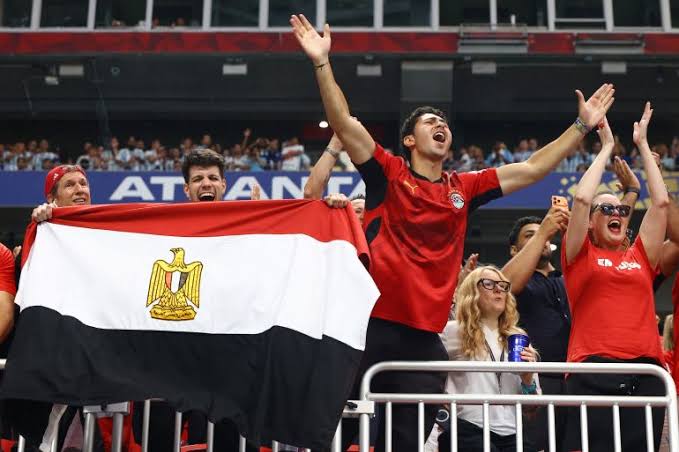
Then came the VAR intervention that changed everything. What followed was one of the most dramatic comebacks in World Cup history — and one of the most bitterly contested.
The Shocking Lead and Early Drama
Egypt stunned the world in the 15th minute when Yasser Ibrahim rose highest to head home Marwan Attia’s pinpoint cross. The underdogs were ahead against Lionel Messi’s Argentina.
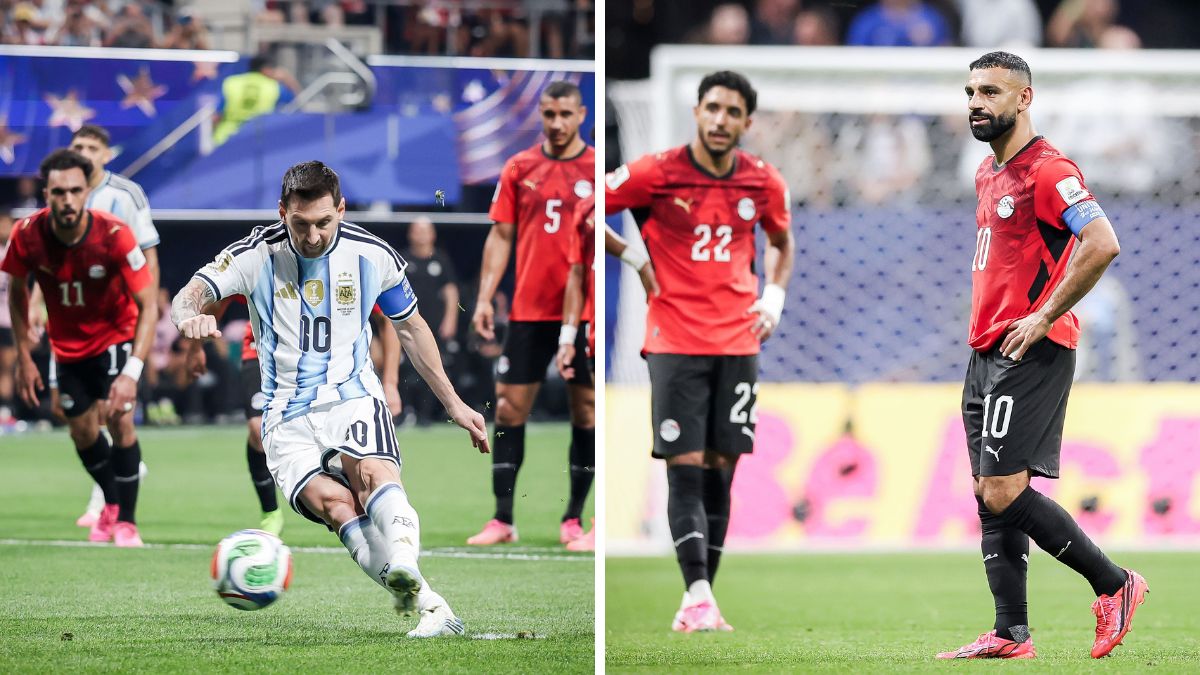
Minutes later, Messi had a golden chance from the penalty spot after a foul on Nicolás Tagliafico — but Egypt goalkeeper Mostafa Ahmed Shobeir produced a heroic save. The stadium erupted. Egypt were not just competing; they were dominating.
The VAR Controversy That Sparked Outrage
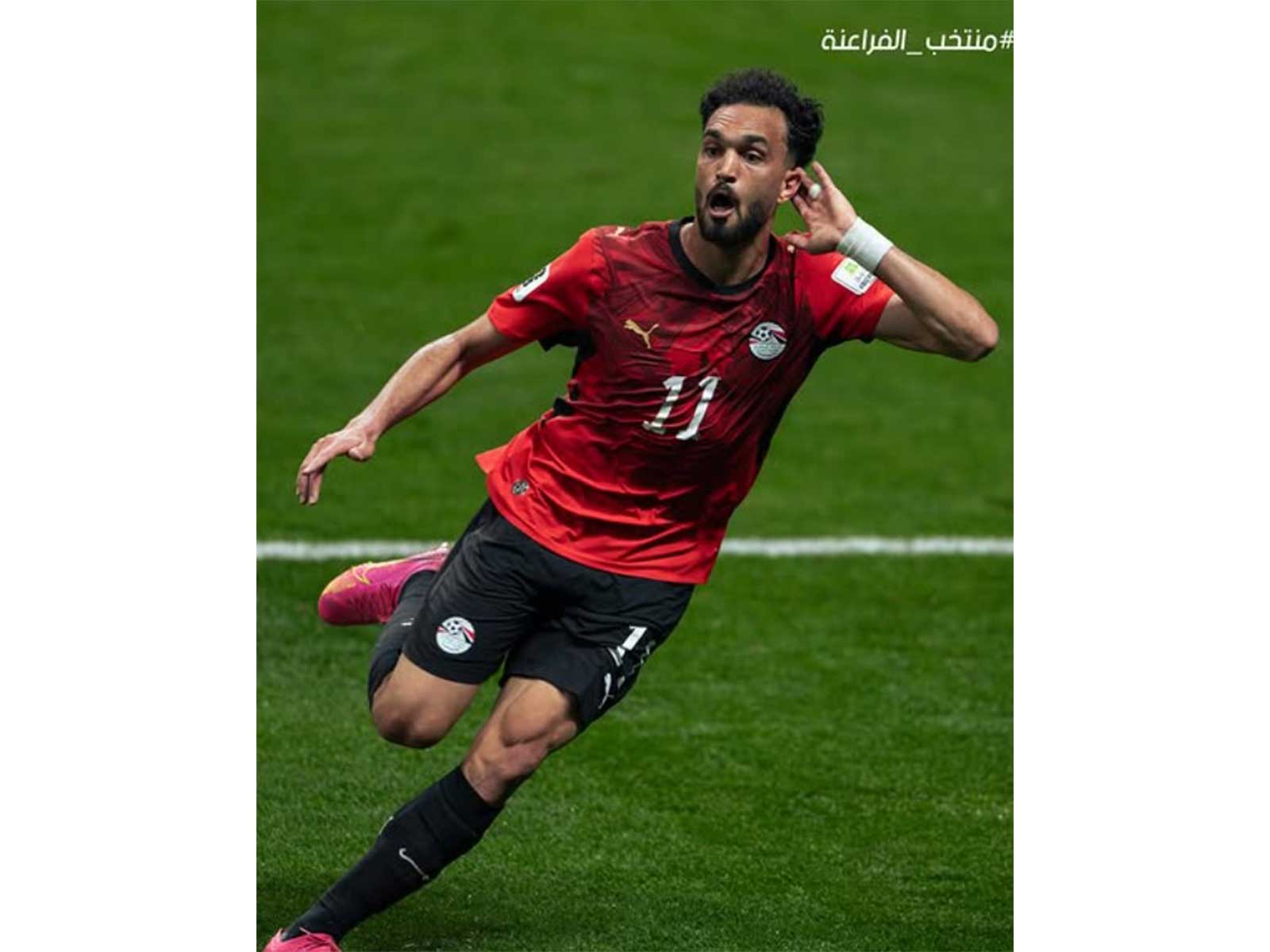
The game’s defining moment arrived around the 58th minute. Ziko thought he had doubled Egypt’s lead with a clinical finish on a swift counter-attack involving Salah and Haissem Hassan.
Celebrations were in full swing. Then referee François Letexier (France) was called to the VAR monitor. He disallowed the goal after spotting an earlier foul by Marwan Attia on Lisandro Martínez — a pull or contact that happened roughly 20-30 seconds earlier in the move, deep in Argentina’s half.
Egypt players surrounded the referee in disbelief. What many saw as a soft, non-immediate foul had robbed them of a potential 2-0 lead that could have killed the game. Argentina breathed again.
Ziko would not be denied though. Just nine minutes later, he swept home another brilliant counter to make it 2-0 legitimately. Egypt were 23 minutes from the quarterfinals.
Argentina’s Comeback
Cristian Romero pulled one back with a header in the 79th minute. Four minutes later, Messi — who had been kept quiet for long stretches — smashed in a ferocious shot off the crossbar to level the score at 2-2.
Then, in the 92nd minute of stoppage time, Enzo Fernández rose to head home Lautaro Martínez’s cross for a stunning 3-2 winner. Argentina had done it again — another late, heart-stopping escape.
But the manner of the victory left Egypt seething.
The Final Controversy: Penalties Denied and Chaos Erupts
Egypt claimed two clear penalty shouts in the buildup to Fernández’s winner were ignored. One involved a possible shirt pull by Alexis Mac Allister on Hamdy Fathy inside the box. Another centered on contact with Salah or another attacker as Argentina launched their decisive counter.
VAR did not intervene. Play continued. The goal stood.
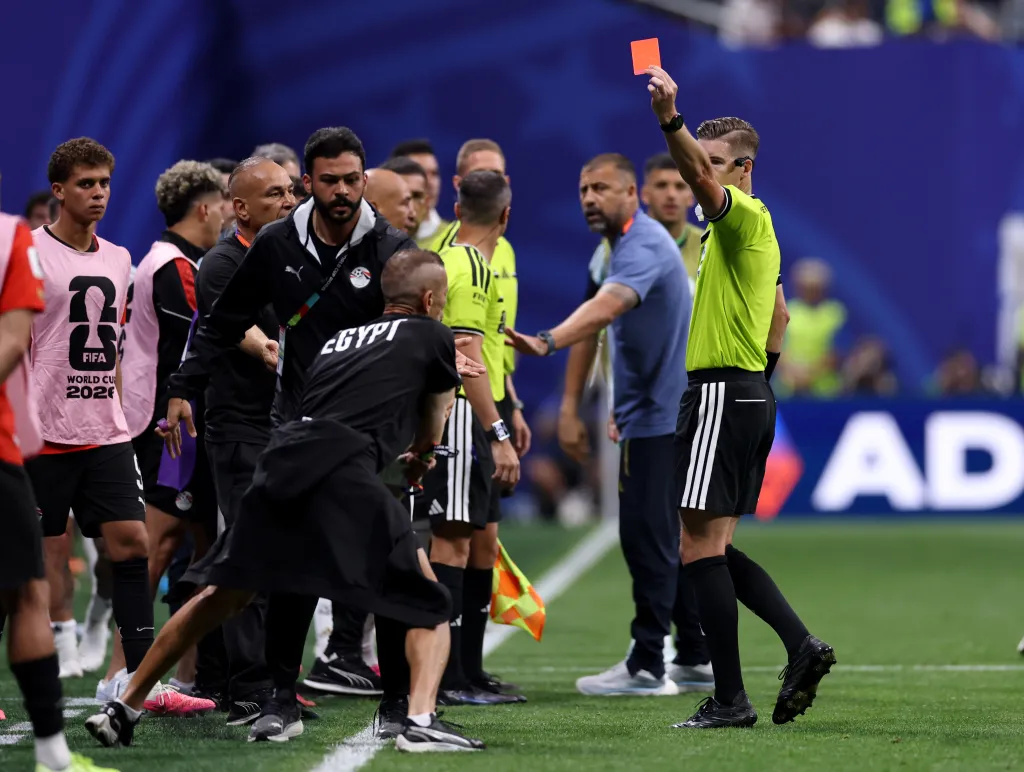
Fury exploded on the Egyptian bench. Goalkeeping coach Saafan Elsaghir was shown a red card after being restrained while confronting the referee. Multiple yellow cards were brandished. Coach Hossam Hassan made the “X” anti-racism gesture toward officials and was booked.
Hossam Hassan and Ziko’s Explosive Post-Match Rants
In a fiery press conference, Hassan did not hold back:
“We have been treated unfairly today. We have suffered injustice… A penalty was ruled out, it was not even checked by the VAR. Our second goal was remarkably disallowed… There seems to have been pressure on the Argentine side on the referee.”
He went further, saying the outcome went “beyond the defeat itself” and that he would not watch any more matches in the tournament.
Ziko was even more direct:
“The injustice is evident and clear. The referee has ruined the effort of an entire country. The championship was rigged from the beginning. If they wanted Argentina to win so badly, why invite the rest of us?”
Players and staff echoed the sentiment — raw emotion from a team that felt robbed on the biggest stage.
The Human Side: Dreams Shattered, Pride Intact
For Mohamed Salah, this may well have been his final World Cup bow. He created chances, assisted, and carried the hopes of a nation. To see it end this way — with controversy overshadowing his team’s historic run — was heartbreaking.
Egypt’s squad, filled with many domestic league players, had exceeded expectations. They showed fight, organization, and belief. Leading the world champions 2-0 was no fluke. The pain of seeing that dream snatched away — partly by VAR decisions many viewed as overly harsh or inconsistent — cut deep.
Argentine joy was real and deserved for their never-say-die spirit and Messi’s magic. But for Egypt, the exit felt tainted.
A Tournament Talking Point That Won’t Go Away
The Egypt vs Argentina clash has ignited fierce debate about VAR’s role — how far back should reviews go? Were the non-calls consistent? Did external pressure play any part, as Hassan alleged?
For now, Argentina march on to the quarterfinals. Egypt return home with heads held high but hearts heavy, carrying the scars of a night that could have been legendary.
One thing is certain: this controversial exit will be remembered long after the final whistle. The Pharaohs fought like lions. The football world is still talking about what might have been — and whether justice was truly served on that dramatic Atlanta night.


No comments yet. Be the first to share your thoughts!